


In contemporary web development, the significance of topic clusters (or content clusters) cannot be overstated when it comes to enhancing the visibility and performance of a WordPress website. This strategy not only enhances site organization and enriches user interaction but also notably elevates search engine standings. Grasping the concept of topic clusters has the potential to revolutionize the SEO efforts of website proprietors seeking enhancement.
Understanding topic clusters
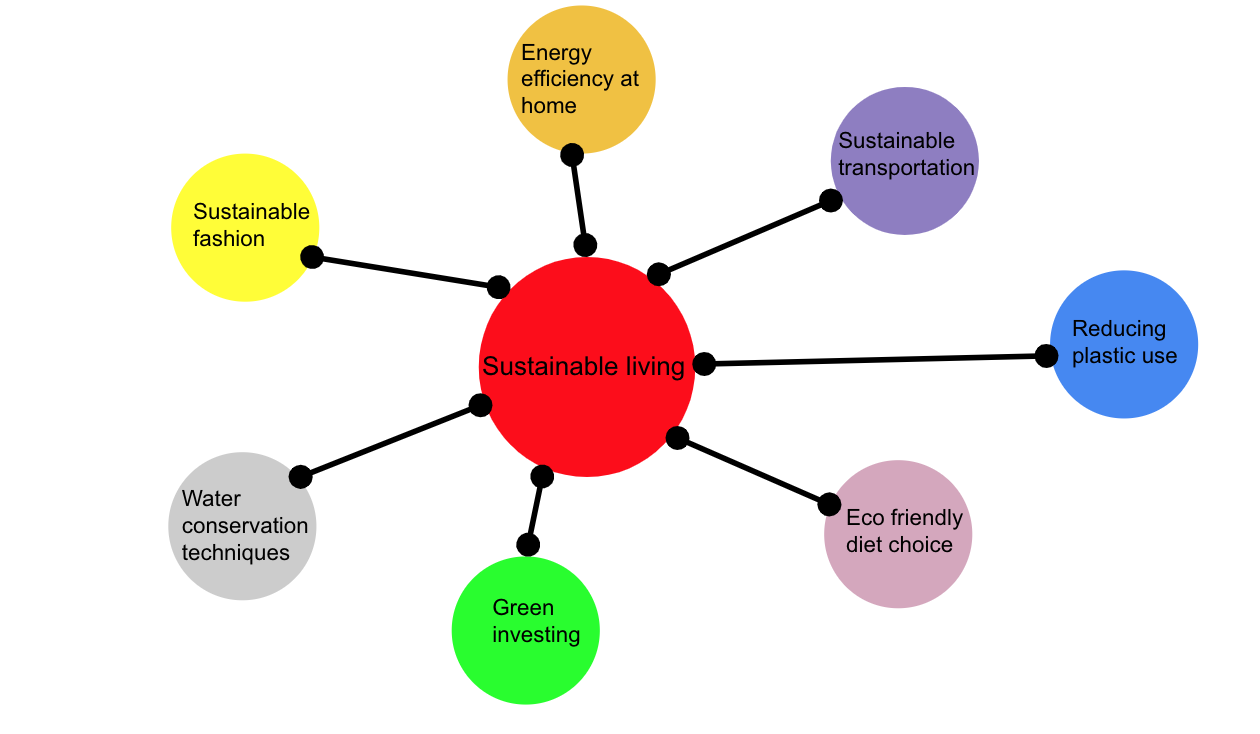
A topic cluster comprises interconnected webpages centered on a central theme. At the core of the cluster lies the pillar page, providing a comprehensive overview of the subject matter. Surrounding this pillar are cluster content pages that delve into specific subtopics. While the pillar content offers a broad perspective, the cluster pages delve into particular issues, questions, or aspects related to the main topic. These pages are seamlessly interconnected through hyperlinks, simplifying navigation for both users and search engines.
The benefits of topic clusters
Topic clusters offer numerous advantages:
- Implementing topic clusters can enhance a website’s structure, making it more logically organized. This, in turn, facilitates users in finding information swiftly and efficiently. Additionally, it indirectly enhances the website’s SEO, as search engine crawlers can navigate and index pages more effectively.
- Furthermore, it can elevate user experience by consolidating information, thus simplifying navigation for users. This fosters higher engagement, decreases bounce rates, and encourages prolonged user interaction with the site.
- Another advantage of topic clusters is improved SEO performance. Search engines such as Google prioritize websites with well-organized content that delves deeply into specific topics. By interlinking related articles, search engines recognize your website as a comprehensive resource for users seeking specific information.
- Topic clusters create additional avenues for keyword optimization. While the pillar page focuses on broader keywords, topic clusters target more specific ones. This enhances your site’s visibility by providing multiple opportunities for your keywords to match users’ search queries on search engines.

Implementing topic clusters on WordPress
To properly implement topic clusters, adhere to these steps:
- First, pinpoint core topics pertinent to your business or interests. These topics should possess sufficient breadth to support pillar content elucidating their overarching concepts, alongside numerous cluster pages.
- Next, generate a pillar page for each core topic. Ensure that these pillar pages offer a broad overview of the respective subjects, avoiding excessive detail to facilitate linking to more in-depth pages.
- Creating multiple cluster content for each pillar page is crucial. These clusters should either address specific questions or delve deeper into the main topic. It’s imperative that each cluster content links back to the pillar page as well as any other related cluster content.
- Next, ensure strategic linking. Guarantee abundant links between your pillar page and each cluster article. These links serve as the navigation pathway for both users and search engines through your website. They showcase the depth of content on each topic and reinforce your position as a comprehensive resource within your domain of expertise.
- Keeping a close eye on content clusters is essential. This allows you to update them, introduce new cluster articles, and refine links if certain clusters receive less traffic than others. Additionally, it ensures that your clusters remain dynamic and relevant over time.